Mastering dumpster rentals entails a series of essential steps to guarantee a smooth and reliable waste management experience Start by establishing your dumpster needs, consisting of assessing task extent, waste generation, and regional policies. Next off, choose the right provider by researching local firms, validating licenses, and contrasting costs. Select the ideal dumpster size, recognize rental periods, and discover what can and can not go in the dumpster. Prepare the delivery place, testimonial and authorize the contract, and prepare for reliable filling and secure positioning. Finally, schedule pick-up and removal, and by following these 10 simple steps, you'll be well on your way to an effective dumpster rental experience that will aid you complete your project goals.
Determine Your Dumpster Needs
As you begin on a job that calls for waste management, determining your dumpster needs is a vital action that sets the tone for an effective and worry-free experience. This initial assessment assists you recognize the right dumpster size, kind, and rental duration, guaranteeing you stay within budget plan and meet project timelines.
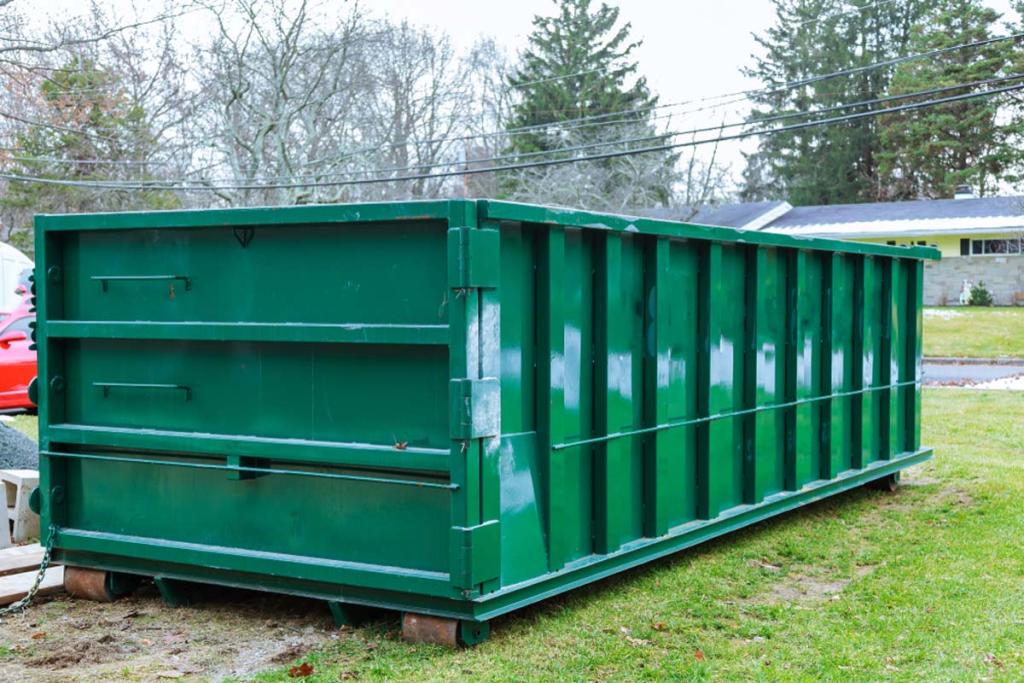
To determine your dumpster needs, begin by assessing the task's scope and waste generation. Consider the type and volume of waste, including building and construction debris, home things, or natural products. This will assist you choose the suitable dumpster size, varying from 10 to 40 backyards, and choose the best type, such as roll-off, front-load, or dumpster trailers.
Additionally, think about the rental duration, taking into consideration the task's timeline and potential hold-ups. It's also essential to inspect local regulations and allows required for dumpster positioning and waste disposal
Choose the Right Provider
With the best dumpster dimension, kind, and rental duration in mind, the next vital action is to discover a reliable provider that can supply on its pledges. This is essential, as a trustworthy supplier ensures a hassle-free experience, timely delivery, and proper waste disposal
Research local firms, inspecting their online reputation online through evaluations, scores, and testimonies. Confirm their licenses, qualifications, and compliance with ecological laws. Contrast rates, services, and rental periods to discover the most effective fit for your needs.
Be wary of extremely low prices, as they could jeopardize on top quality or service. Try to find companies that use flexible rental periods, hassle-free payment choices, and a large range of dumpster sizes. Verify they have a dedicated customer support team to address any kind of issues or problems that may arise.
Select the Perfect Dumpster Size
Efficiency in waste monitoring starts with selecting the perfect dumpster size, a vital step that can make or break the entire rental experience.
A dumpster that is also tiny can lead to overflow, causing additional fees and aggravation, while one that is also large can be a waste of resources and space.
To guarantee a seamless experience, it's crucial to properly estimate the quantity of waste you'll generate.
Consider the kind and volume of waste you'll be getting rid of, along with any local regulations or restrictions
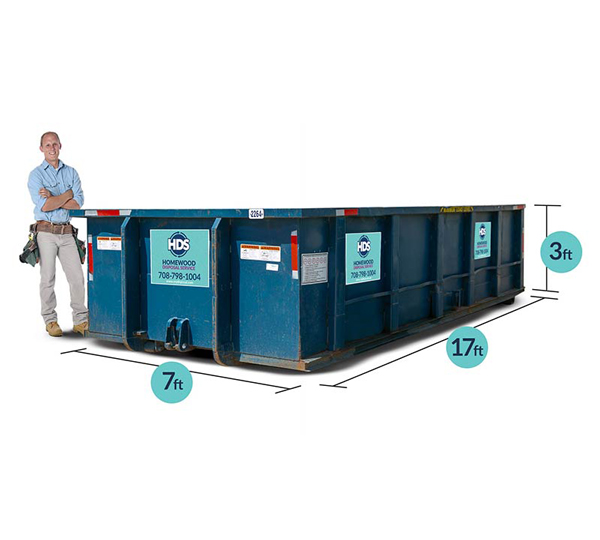
Dumpster sizes usually vary from 10 to 40 yards, with each dimension matched to specific projects or applications
For example, a 10-yard dumpster is suitable for small-scale restorations or lawn clean-ups, while a 30-yard dumpster is better suited for large building and construction tasks or industrial cleanouts.
Understand Dumpster Rental Periods
A construction timeline is frequently dictated by the project's scope, budget plan, and deadline, however it's equally vital to consider the dumpster rental period that straightens with these elements. This guarantees you have enough time to complete the task without sustaining additional costs or penalties
A normal dumpster rental period can vary from a couple of days to several weeks or even months, depending on the project's complexity and duration.
When choosing a dumpster rental duration, consider the adhering to crucial elements:
- Project duration: Verify the rental period lines up with the task's timeline to prevent delays or extensions. Debris generation rate: If you're creating waste at a quick speed, you might require a shorter rental period to prevent overruning the dumpster. Budget constraints: Longer rental periods might be much more economical, however they can likewise result in additional costs for extended usage.
Learn What Can Go in the Dumpster
How much waste can you in fact deal with in a dumpster rental? The response varies depending upon the type of waste and the rental firm's guidelines.
Generally, most dumpster rentals permit you to dispose of household trash, construction debris, and lawn waste. This consists of items like damaged furnishings, old devices, and roof covering materials. You can likewise throw away organic waste like food scraps, leaves, and branches.
However, there are specific things that are purely forbidden, such as hazardous materials like batteries, electronics, and chemicals. In addition, some business might have certain regulations for sure items like tires, mattresses, and home appliances with Freon.
It's crucial to talk to your rental business for their certain standards on what can and can not be dealt with in their dumpsters. They might likewise have weight limits and size restrictions, so be sure to ask about those as well.
Prepare the Shipment Location
Once you have a clear understanding of what can go in the dumpster, it's time to focus on preparing the delivery location This vital step guarantees a smooth and hassle-free delivery process.
Before the dumpster gets here, make certain the delivery location is clear of any kind of obstacles
This includes:
- Removing any type of parked automobiles, bicycles, or various other items that may block the distribution path Trimming trees or hedges that may hinder the dumpster's placement Clearing the location of any loose debris, such as rocks or busted glass, that can create damages to the dumpster or the distribution truck
Review and Sign the Contract
Contractual responsibilities are an essential element of any service deal, and dumpster rentals are no exemption. Prior to completing your dumpster rental, it's vital to evaluate and authorize an agreement that outlines the terms and conditions of the agreement.
This document will certainly define information such as the rental period, dumpster dimension, and type of waste permitted. It will also lay out the duties of both you and the rental company, including pick-up and distribution timetables, payment terms, and any additional fees
Take your time to meticulously go through the contract, and don't wait to ask concerns if you're not sure regarding any kind of clauses. Ensure you recognize the rates framework, consisting of any potential overage fees, and verify that the rental company offers adequate liability insurance
Once you're pleased with the terms, authorize the agreement to define the agreement. A complete review of the agreement will shield your rate of interests and protect against any misconceptions down the line.
Plan for Reliable Filling
Optimizing dumpster area is vital to assure an economical and convenient waste monitoring experience.
By strategically planning the loading procedure, you can take full advantage of the capacity of your dumpster service and stay clear of unneeded follow this link extra fees.
To accomplish reliable dental filling, take into consideration the following crucial techniques:
- Sort and classify waste: Different recyclable products from non-recyclable waste to optimize space and minimize waste disposal costs. Load hefty items first: Place much heavier items, such as construction materials or furnishings, at the end of the dumpster to develop a steady base for lighter items. Fill in layers: Tons waste in layers, beginning with cumbersome things and finishing with smaller, lighter products, to decrease empty space and protect against changing during transportation.
Ensure Safe and Safeguard Placement
Most dumpster rental projects need careful planning to assure safe and secure placement of the dumpster on your building. This involves recognizing a flat, steady surface that can support the weight of the dumpster and its contents.
Avoid placing the dumpster on soft ground, inclines, or uneven surface areas, as this can cause instability and accidents. In addition, ensure the dumpster is placed at least 10 feet far from power lines, trees, and other obstacles to stop damage or interference.
When positioning the dumpster, take into consideration the circulation of web traffic on your residential or commercial property. Placement the dumpster in a way that permits simple gain access to for filling and discharging, while additionally decreasing interruptions to daily activities.
It's also important to ensure the dumpster is placed in a well-lit area, specifically if you plan to utilize it throughout nighttime hours. By taking these safety measures, you can ensure a safe and protected placement of the dumpster, lowering the risk of accidents and liabilities.
Schedule Pickup and Removal
Scheduling pickup and removal of your dumpster leasing is an essential step in guaranteeing a smooth and reliable waste administration procedure. This step assists prevent unnecessary delays and assurances that your project remains on track.
By scheduling pickup and removal, you can avoid unwanted fines and fines associated with overstaying the rental period.
When organizing pick-up and removal, take into consideration the following:
- Be mindful of the rental duration and guarantee you have enough time to finish your project. Plan ahead and routine pickup a minimum of 24-48 hours ahead of time to make sure availability. Verify the pick-up and elimination days with your dumpster rental company to avoid any type of misunderstandings.